




























How to Size Your Solar Power System
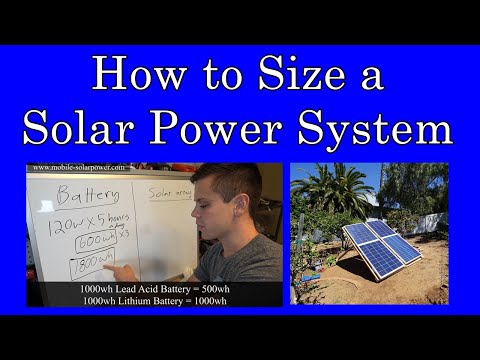
Sizing a solar power system correctly is the most important step before you spend a dollar on panels or batteries. Too small and you won't meet your energy needs. Too large and you overpay. This guide walks through the exact process for calculating the right system size for your home.
Step 1: Calculate Your Daily Energy Consumption
Review your electricity bills for the past 12 months. Find your average daily kWh usage by dividing your monthly kWh by 30. Account for seasonal variation — summer AC loads vs. winter heating will significantly affect your average.
Step 2: Determine Your Peak Sun Hours
Peak sun hours vary by location, typically 4–6 hours per day in the US. Use a solar irradiance map or a tool like PVWatts to find your area's average. This number directly affects how many panels you need.
Step 3: Calculate the Solar Array Size
Sizing Formula
- 📊 Formula: Daily kWh usage ÷ Peak sun hours = Required kW of solar panels
- 📝 Example: 30 kWh/day ÷ 5 peak sun hours = 6 kW system
- ➕ Add 20–25% to account for system inefficiencies and losses
Step 4: Determine Battery Storage
If you're going off-grid or want backup power, you'll need battery storage. Decide how many days of autonomy you need (typically 1–3 days).
Battery Sizing Formula
- 🔋 Formula: Daily kWh usage × Days of autonomy ÷ Battery depth of discharge
- 📝 Example: 30 kWh × 2 days ÷ 0.8 DoD = 75 kWh of battery storage
Step 5: Size the Inverter
The inverter should match or slightly exceed your solar array output in kW. For battery systems, the inverter must also handle your peak load demand. Consider a hybrid inverter for grid-tied systems with battery backup.
Common Sizing Mistakes to Avoid
Watch Out For
- ⚠️ Underestimating future energy needs (EV charging, HVAC upgrades)
- 📈 Using only average usage without accounting for peak demand
- 🌳 Ignoring shading from trees or roofline obstructions
- 🌡️ Forgetting to factor in temperature derating for panels in hot climates
Size Your Solar System With Confidence
Watch the full video for a detailed visual walkthrough of the entire solar sizing process. Learn how to calculate your energy needs, choose the right number of panels, size your battery bank, and select the correct inverter — all explained in plain language with real-world examples.