
Call for a Free Quote +1-833-413-3605
Plumbing Systems and Installation Guide
Table of Contents
- What Is a Plumbing System?
- The Different Types of Plumbing Systems in Homes
- Common Plumbing Problems and How to Spot Them
- How to Choose the Right Plumbing System for Your Home
- Key Components of a Plumbing System
- How to Maintain a Healthy Plumbing System
- Plumbing System Replacement and Installation Costs
- How to Select the Right Plumbing Contractor
What Is a Plumbing System?
A plumbing system is the network of pipes, fixtures, valves, and devices in your home or building that brings in clean water and removes waste and wastewater. It's one of the most vital systems in any structure, working quietly in the background to support everyday comfort, hygiene, and health.
A well-designed and properly maintained plumbing system ensures:
Pipes
Made from copper, PVC, PEX, or galvanized steel, these transport water in and out of your home.
Valves
Control the flow of water and allow shut-off in case of leaks or repairs.
Fixtures
Faucets, toilets, sinks, and bathtubs are what you see and use daily.
Traps and Vents
Traps prevent sewer gas from entering your home; vents regulate air pressure in the drains.
Water Heater
Heats water for use in showers, dishwashers, and washing machines.
Whether you're building a new home, remodeling, or maintaining an older system, understanding how plumbing works is the first step in making smart, informed decisions.
The Different Types of Plumbing Systems in Homes
Every home relies on a well-structured plumbing system to function efficiently, but not all plumbing systems are the same. In fact, residential plumbing is typically made up of three major subsystems that work together to bring clean water in and take waste out. Understanding these systems can help homeowners recognize problems, plan upgrades, and maintain their homes with greater confidence.
Potable Water System
The first type of plumbing system is the potable water system, which is responsible for supplying clean, safe water to your home. This water comes from a municipal supply line or a private well and enters your home under pressure. The system includes a network of pipes, valves, faucets, and fixtures that distribute water to showers, sinks, toilets, appliances, and outdoor spigots. This pressurized system ensures that water flows smoothly and consistently to every fixture in your house.
Drainage or Wastewater System
The second is the drainage or wastewater system, also known as the sanitary drainage system. Unlike the supply system, this part operates on gravity rather than pressure. It carries used or "gray" water (from sinks, tubs, and washing machines) and "black" water (from toilets) away from your home through drainpipes, traps, and vents. Proper venting is critical because it keeps sewer gases from backing up into your home and helps maintain smooth drainage by balancing air pressure in the pipes.
Stormwater Drainage System
The third system is the stormwater drainage system, although this may not be present in all homes. Its purpose is to divert rainwater away from your property through gutters, downspouts, and ground drains. In some areas, stormwater is managed separately from the sanitary system to prevent overflows and flooding during heavy rains. In older systems, however, stormwater and wastewater may share the same sewer line, which can lead to complications if not managed correctly.
Each of these systems plays a distinct but vital role in maintaining hygiene, protecting structural integrity, and ensuring overall comfort. Whether you're doing routine maintenance or planning renovations, understanding how these systems work together gives you a better grasp of your home's health and function.
What Are the Primary Parts of a Plumbing System?+
Why Does Water Pressure Matter in a Plumbing System?+
Common Plumbing Problems and How to Spot Them
Even with the best-installed systems, plumbing problems are inevitable over time. The good news is that catching these issues early can help prevent costly repairs, water damage, or even major system failures. Knowing what to watch for empowers homeowners to take action quickly and keep their plumbing running smoothly.
Dripping Faucets
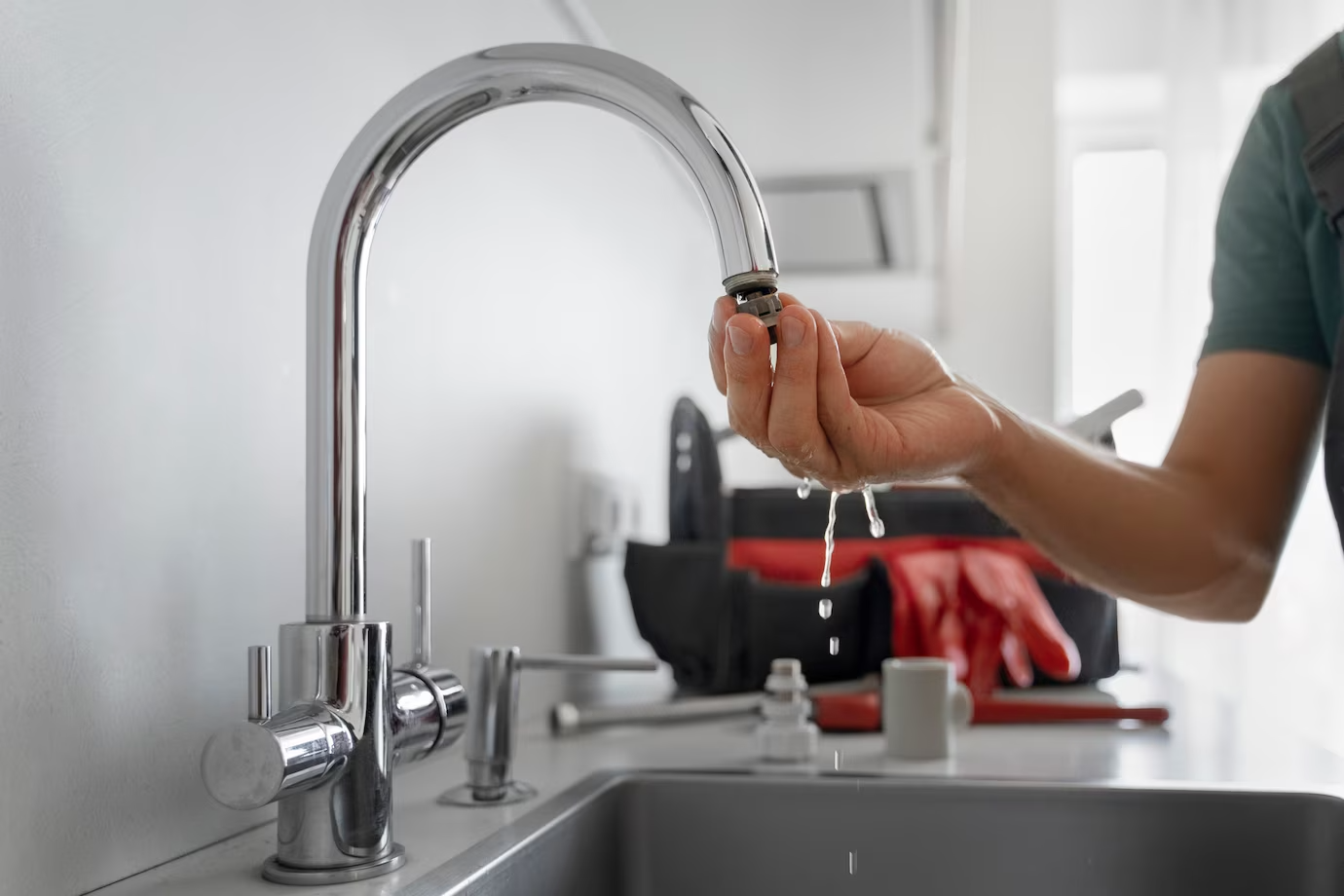
A dripping faucet might seem harmless, but it wastes gallons of water over time and often signals a worn-out washer, O-ring, or valve seat. Aside from the annoyance, it can also drive up your water bill unnecessarily.
Running Toilet
A running toilet can waste hundreds of gallons of water per day. This issue usually stems from a faulty flapper valve, worn float, or improperly adjusted chain inside the tank.
Low Water Pressure
Low water pressure can make showers and sink use frustrating. It's often caused by clogged aerators, leaks in the system, or issues with the main water supply.
Clogged Drains
Drains that are sluggish or completely blocked can result from a buildup of hair, grease, soap scum, or foreign objects. Over time, clogs can lead to backups and potential flooding.
Leaky Pipes
Leaks—whether small drips or major bursts—can cause structural damage, mold growth, and higher utility bills. These often occur at joints or in older pipe systems.
Water Heater Issues
From inconsistent water temperature to strange noises or rust-colored water, water heater problems can interrupt daily routines and indicate sediment buildup, corrosion, or part failure.
By staying alert to these signs, homeowners can catch small problems before they become major repairs. And when in doubt, calling a licensed plumber early is always the safest route.
How to Choose the Right Plumbing System for Your Home
When selecting a plumbing system, it's important to balance longevity, practicality, and cost. Here are some essential considerations:
Longevity
Opt for materials such as copper or PEX that offer lasting performance.
Design Compatibility
Ensure that your plumbing fixtures and fittings match your home's overall style.
Practicality
Make sure the system accommodates your household's water usage.
Cost
Factor in both the initial installation expenses and the potential future upkeep.
Working with a professional plumber can help you select a system that fits your home's needs and complies with local building codes.
Key Components of a Plumbing System
A plumbing system consists of various essential elements that work in harmony to provide clean water and remove waste. These include pipes that carry water to and from different parts of the home, fixtures such as sinks, faucets, and toilets, and valves that control the water flow. Traps are also included to prevent harmful sewer gases from entering the living spaces. Other components like water heaters supply hot water, while vent pipes help maintain proper air circulation to support efficient water pressure and drainage.
Pipes
Carry water to and from fixtures.
Valves
Control water flow and enable easy repairs.
Traps
Seal off drains to block sewer gases.
Fixtures
Include essential elements like sinks, showers, and toilets.
Water Heater
Provides hot water for daily use.
What Are Shut-Off Valves Used For?+
Why Are Traps Important in a Plumbing System?+
How to Maintain a Healthy Plumbing System
Maintaining a healthy plumbing system is essential to prevent costly repairs, unexpected emergencies, and water damage. Regular care and preventive measures can extend the lifespan of your plumbing system, improve water efficiency, and avoid disruptions in your home. Here are key tips for keeping your plumbing in top shape:
Flush Your Water Heater Annually
Water heaters accumulate sediment over time, especially in areas with hard water. This buildup can reduce efficiency and even damage the heater. Flushing your water heater once a year removes the sediment, ensuring it operates smoothly and lasts longer.
Watch for Slow Drains
Slow drains are often the first sign of a potential clog. If water takes longer than usual to drain, it may indicate a buildup of debris like hair, soap scum, or food particles. In the kitchen, grease and food debris can create blockages, while bathroom sinks and showers often deal with hair and soap buildup. To prevent clogs, use a drain strainer to catch debris, and periodically flush drains with hot water or a natural cleaning solution of baking soda and vinegar.
Clean Aerators and Showerheads
Aerators on faucets and showerheads can become clogged with mineral deposits, leading to poor water flow and pressure. Remove and soak aerators and showerheads in vinegar for about an hour to break down mineral buildup. Scrub with a small brush to clear any remaining debris. Regularly cleaning these fixtures can improve water efficiency and flow.
Inspect for Leaks
Leaks can waste a significant amount of water and cause damage to your home. Regularly inspect visible pipes under sinks, around water-using appliances, and in the basement for signs of leaks or corrosion. If you notice damp spots, water stains, or dripping pipes, address the issue immediately to prevent further damage. Check your water meter to identify hidden leaks by recording the meter reading, waiting for a few hours without using water, and checking the meter again.
Monitor Water Pressure
High or low water pressure can strain your plumbing system. A pressure gauge can help you monitor the water pressure in your home. The ideal pressure should be between 40 and 60 psi (pounds per square inch). If pressure is too high, consider installing a pressure-reducing valve to prevent damage to pipes and appliances. Low pressure could indicate a leak, clogged pipes, or an issue with the water supply.
Avoid Harsh Chemicals and Grease
One of the most common causes of clogged drains is pouring grease, oil, or non-degradable substances down the kitchen sink. Grease can solidify in the pipes, creating stubborn clogs. Similarly, harsh chemicals can corrode pipes and damage the environment. Dispose of grease and oils in a container and throw them away. Use eco-friendly cleaners for your drains and plumbing system.
Protect Pipes in Winter
During winter, frozen pipes can burst and cause extensive water damage. Insulate exposed outdoor pipes, especially those in unheated areas like basements, attics, or garages. Use foam pipe insulation or heat tape to prevent freezing. In colder weather, let faucets drip slightly to prevent freezing, or open cabinet doors under sinks to allow warmer air to circulate around pipes.
Schedule Professional Inspections
Even with regular DIY maintenance, it's essential to have a professional plumber inspect your system periodically. A licensed plumber can spot issues early that may not be obvious to a homeowner, such as hidden leaks, deteriorating pipes, or sewer line problems. Consider scheduling an annual inspection to ensure your plumbing system is in optimal condition.
The best way to avoid expensive plumbing repairs is through preventive care. By addressing small issues before they become big problems, you can save money and enjoy a reliable plumbing system. Regular maintenance not only improves efficiency but also promotes healthy water flow, reduces wear on pipes, and extends the lifespan of your appliances. By following these simple yet effective steps, you can ensure that your plumbing system stays in top shape for years to come.
How can I tell if I have a hidden water leak in my plumbing system?+
How often should I flush my water heater?+
How Can Homeowners Prevent Clogs?+
Plumbing System Replacement and Installation Costs
The cost of replacing or installing a plumbing system varies based on the scope and complexity of the project. Here are some typical price ranges:
Pipe Replacement
$1,500 to $15,000, depending on the materials used and the size of the home.
Fixture Installation
$150 to $800 per fixture.
Water Heater Installation
$300 to $3,500, depending on the type and capacity.
Factors such as the choice of materials, labor rates, and location can all influence the overall cost.
What is the most budget-friendly plumbing material?+
What is the cost of replacing old pipes?+
How to Select the Right Plumbing Contractor
Choosing the right plumbing contractor is essential for ensuring high-quality work and avoiding costly errors. Here are some important tips to help you make an informed choice:
Get Multiple Estimates
Don't settle for the first quote you receive. Collect several estimates to compare pricing, services, and timeframes. This will give you a better understanding of the market rate and help you choose the best option for your budget and needs.
Carefully Compare Estimates
Make sure each estimate is detailed, including labor costs, materials, permits, and any additional charges. An itemized estimate helps prevent surprise costs and ensures transparency about what you're paying for.
Vet the Contractor
Look into the contractor's experience with projects similar to yours and ask for references. Checking online reviews and testimonials can give you a clearer picture of their reliability and quality of work.
Verify Licensing and Insurance
Confirm that the contractor holds a valid license in your state and carries liability and workers' compensation insurance. A licensed contractor is qualified to do the work, while insurance ensures protection in case of accidents or damage during the project.
Avoid Large Upfront Payments
Reputable plumbers usually ask for a small deposit. Be cautious if a contractor demands a large upfront payment, as this may indicate unprofessional behavior.
Ask About Warranties
Ensure the contractor provides warranties for both labor and materials. A trustworthy plumber will back their work, giving you confidence that any issues after the project will be addressed.
What are warning signs when hiring a plumbing contractor?+
How can I confirm a plumber's license and insurance?+
How crucial is a written contract when hiring a plumber?+
Ready to Fix Your Plumbing Issues?
Connect with trusted local plumbing professionals and get your home's water system running smoothly.