
Call for a Free Quote +1-833-418-0560
Essential Home Insulation Guide
Home Insulation 101: What You Need to Know Before You Install
Before diving into materials, pricing, or installation methods, it's essential to understand why insulation matters in the first place. Think of insulation as your home's silent guardian—working around the clock to create a more comfortable, efficient, and healthier living space.
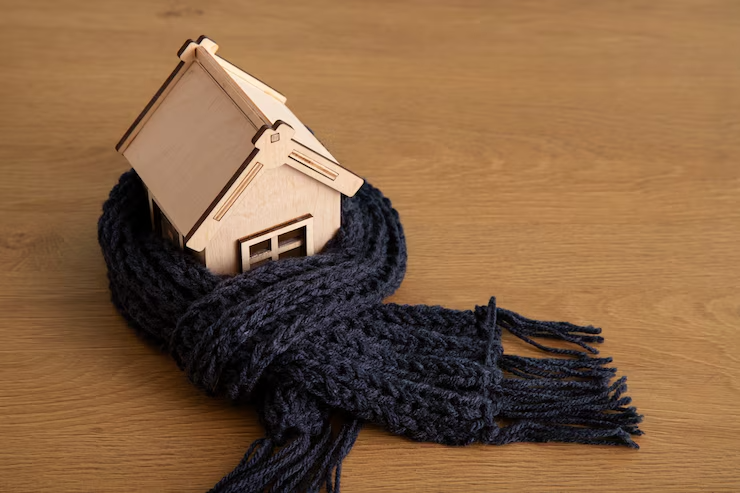
At its core, home insulation functions as a barrier that slows the transfer of heat. In the winter, it keeps the warmth generated by your heating system from escaping through walls, ceilings, and floors. In the summer, it does the opposite—keeping unwanted outdoor heat from seeping inside. This thermal resistance, measured as R-value, is what helps maintain a consistent indoor temperature regardless of the weather outside.
But comfort isn't the only benefit. Proper insulation can dramatically lower your utility bills by reducing the demand on your HVAC system. It allows your heating and cooling equipment to work more efficiently—and that means less energy consumed and more money saved over time.
Beyond energy efficiency, insulation plays a role in sound control. It can reduce noise transfer between rooms and buffer sounds from the outside, which is especially helpful in multi-story homes or homes near busy streets.
Perhaps most importantly, insulation is a smart choice for the planet. By reducing your home's energy consumption, you're also lowering its carbon footprint—a small but significant step toward more sustainable living.
Whether you're building a new home, remodeling, or simply trying to improve your current living environment, getting insulation right is one of the wisest investments you can make.
Does home insulation help with soundproofing?+
How long does home insulation last?+
Types of Home Insulation
Selecting the right type of insulation depends on various factors, including the area of the home being insulated, budget, and specific performance needs.
Fiberglass Batt Insulation
Commonly used in walls, attics, and floors; known for its affordability and ease of installation.
Blown-In Insulation
Ideal for adding insulation to existing finished areas, irregularly shaped spaces, and around obstructions.
Spray Foam Insulation
Provides excellent air sealing properties; suitable for hard-to-reach areas and offers a high R-value per inch.
Rigid Foam Board
Used for insulating exterior walls, basements, and foundation walls; offers high insulating value with minimal thickness.
Reflective or Radiant Barrier Insulation
Effective in hot climates; reflects radiant heat away from living spaces, commonly installed in attics.
How Much Does Home Insulation Cost in 2025?
The cost of home insulation varies based on the type of insulation, area to be insulated, and labor charges. Here's a general breakdown:
Fiberglass Batt Insulation
Approximately $0.64 to $1.19 per square foot.
Blown-In Insulation
Ranges from $1.00 to $2.80 per square foot.
Spray Foam Insulation
Costs between $1.50 and $3.00 per square foot for open-cell, and $2.00 to $4.00 for closed-cell.
Rigid Foam Board
Typically $0.70 to $1.50 per square foot.
Note: Prices are estimates and can vary based on location and specific project requirements.
Can insulation lower my heating and cooling bills?+
Is insulation safe for my family and pets?+
Can Insulation Be Added to My Existing Home?
Yes, insulation can be added to existing homes to improve energy efficiency and comfort. Common areas for retrofit insulation include:
Attics
Adding or upgrading insulation in the attic is often the most cost-effective way to improve energy efficiency.
Walls
Blown-in insulation can be added to wall cavities without major renovations.
Basements and Crawl Spaces
Insulating these areas can prevent heat loss and moisture issues.
Floors
Insulating floors above unheated spaces can enhance comfort and reduce energy bills.
Will adding insulation increase my home's resale value?+
What are signs that my home needs more insulation?+
How Insulation Installation Works
The installation process involves several key steps to ensure optimal performance:
1. Assessment
A professional evaluates your home to identify areas needing insulation and determines the best type for your needs.
2. Preparation
The work area is cleared, and any existing insulation is inspected or removed if necessary.
3. Installation
Insulation is placed in walls, attics, floors, or other target areas using the appropriate method for the material type.
4. Sealing
Gaps, cracks, and openings are sealed to prevent air leaks and maximize insulation effectiveness.
5. Inspection
A final review ensures proper coverage, safety compliance, and that the insulation meets local building codes.
Professional installation is recommended to ensure safety and compliance with building codes.
How to Choose a Reliable Insulation Installer: Questions to Ask
When selecting an insulation contractor, consider the following questions:
Are you licensed and insured?
Verify that the contractor holds the necessary licenses and carries liability insurance.
Can you provide references from previous clients?
Ask for testimonials or examples of completed insulation projects.
What types of insulation do you specialize in?
Ensure they have experience with the specific material best suited for your home.
Do you offer a warranty on your work?
A reliable installer should stand behind their workmanship with a clear warranty policy.
Will you conduct an energy assessment before installation?
A thorough evaluation helps identify problem areas and ensures the right solution is applied.
Choosing a reputable installer ensures quality workmanship and long-term benefits.
What's the best time of year to install insulation?+
Do I need a building permit to add insulation?+
Can I install insulation myself?+
Ready to Insulate Your Home?
Connect with trusted local insulation professionals and start saving on energy costs today.