
Call for a Free Quote +1-833-415-0382
Home Accessibility Solutions for Safer, More Comfortable Living
What Is Home Accessibility?
Home accessibility means adapting your living space so everyone can move through it safely and independently — whether you are planning for aging in place, recovering from surgery, or supporting a family member with mobility challenges. Thoughtful modifications reduce fall risk, improve daily comfort, and can help you stay in the home you love longer.
Accessibility projects range from small updates like lever handles and brighter lighting to larger work such as widening doorways, installing stair lifts, or adding a curbless shower. The right plan depends on your layout, budget, and how your needs may change over time.
Do I need a full home renovation for accessibility?+
Will accessibility upgrades hurt resale value?+
Common Accessibility Upgrades
Professional accessibility contractors commonly install and coordinate the following improvements:
Ramps and Zero-Step Entries
Exterior ramps, threshold ramps, and landing pads help eliminate tripping hazards at doors. Proper slope, handrails, and drainage are critical for year-round safety.
Grab Bars and Bathroom Safety
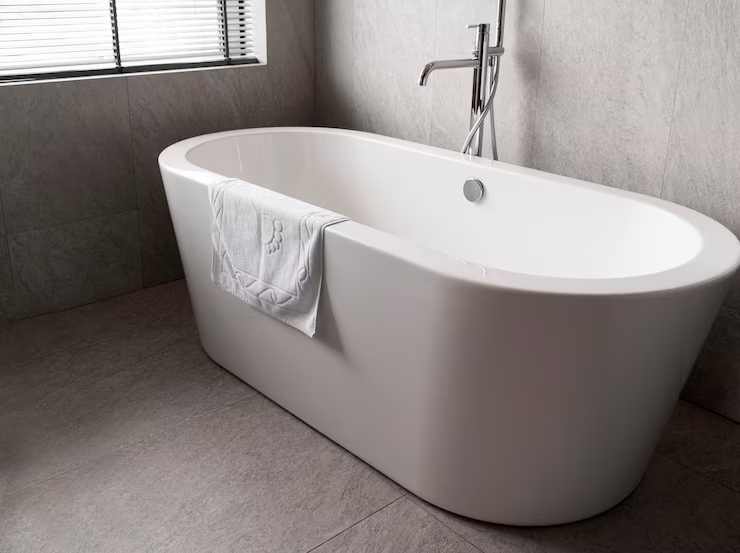
Reinforced mounting in showers, tubs, and beside toilets provides stability where falls are most common. Many homeowners pair grab bars with walk-in tubs or curbless showers.
Stair Lifts and Vertical Lifts
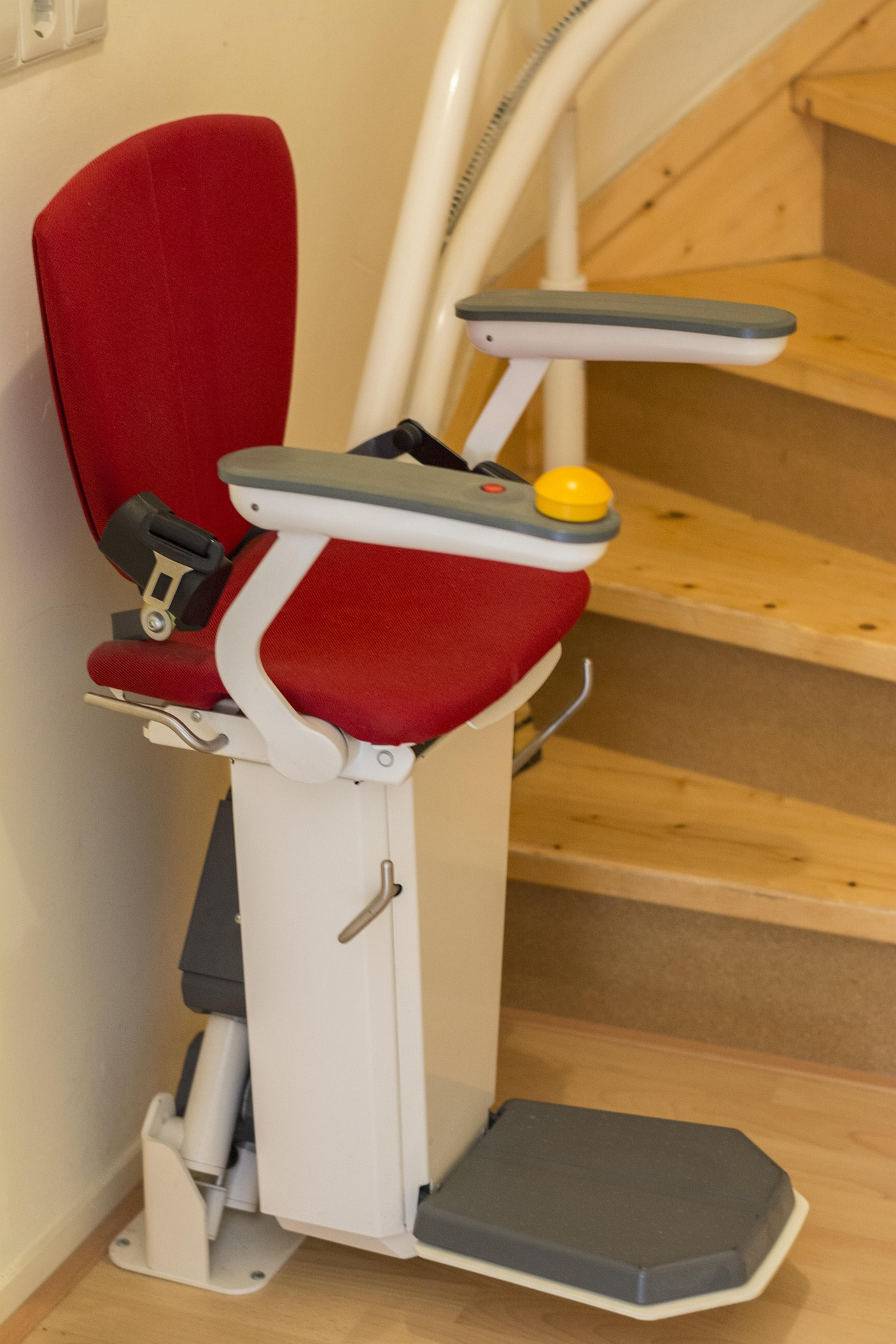
Stair lifts carry users along existing staircases; platform lifts and residential elevators serve multi-level homes when stairs are no longer manageable.
Doorway and Hallway Modifications
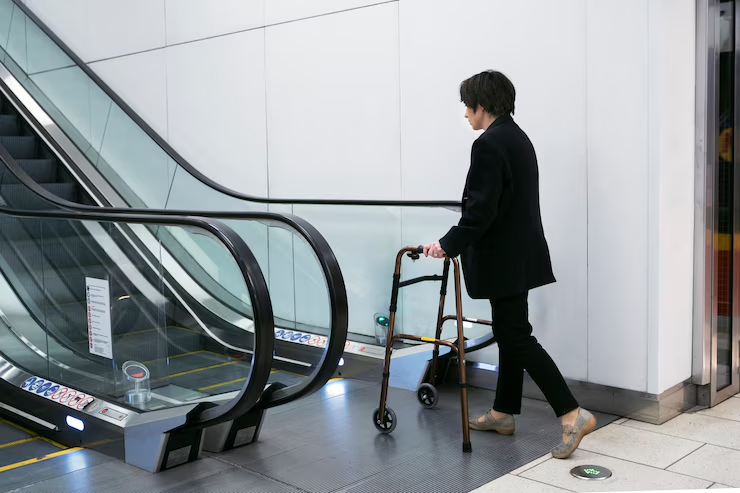
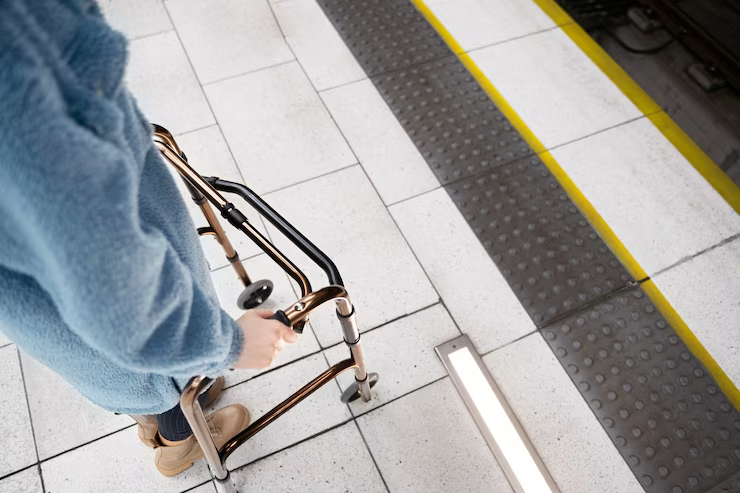
Widening doors to 32–36 inches clear width, swapping knobs for levers, and removing trip hazards improve wheelchair and walker access throughout the home.
Lighting and Smart Controls
Motion-sensor lighting, louder doorbells, and voice- or app-controlled locks and thermostats support users with vision or dexterity limitations.
Home Accessibility Costs
Costs vary widely by scope, structure, and region. Use these ranges for early planning:
Basic safety package
Grab bars, handrails, lever hardware, and lighting upgrades often run $1,500–$5,000 depending on the number of bathrooms and entries addressed.
Exterior ramp
A professionally built wood or aluminum ramp typically costs $3,500–$12,000+ based on length, railings, and site conditions.
Stair lift
Straight stair lifts commonly range from $3,500–$7,500 installed; curved rails cost more because they are custom fabricated.
Bathroom remodel
Walk-in tub or roll-in shower conversions often fall between $8,000–$25,000 depending on plumbing moves, tile, and fixtures.
Major structural changes
Door widening, bathroom expansions, or home elevators can exceed $25,000–$60,000+. Always get detailed written estimates.
Are accessibility modifications tax-deductible?+
Planning an Accessibility Project
Start with a room-by-room safety walkthrough. Note stairs, tight turns, slippery floors, poor lighting, and hard-to-reach storage. Prioritize changes that address daily routines: bathing, sleeping, cooking, and entering the home.
Involve an occupational therapist or Certified Aging-in-Place Specialist (CAPS) when possible — they help match solutions to actual mobility needs rather than generic product sales pitches.
1. Assessment and priorities
Document current and anticipated needs (walker vs. wheelchair, temporary recovery vs. long-term). Rank projects by safety impact and urgency.
2. Budget and phasing
Many families phase work over 12–24 months: bathroom first, then entry ramp, then stair lift. Confirm financing or grant timelines before scheduling trades.
3. Permits and codes
Structural changes, electrical work, and some ramps may require permits. Licensed contractors pull permits and schedule inspections.
Choosing an Accessibility Contractor
Look for contractors experienced in accessibility — not just general remodeling. Ask for photos of completed grab-bar installs, ramps, and lifts; verify licenses and insurance; and request references from clients with similar needs.
Licensed and insured
Confirm active trade licenses and liability plus workers' compensation coverage before work begins.
Product knowledge
Reputable installers know how to anchor grab bars into studs or blocking, size ramps to ADA-style slopes where required, and service the brands they sell.
Written warranty
Labor warranties and manufacturer coverage on lifts and tubs should be provided in writing.
Funding and Support Options
Explore veterans' benefits (SAH grants), state assistive-technology programs, Area Agency on Aging resources, and nonprofit partners. Some contractors offer payment plans — see our financing guide for comparing options.
Document medical necessity letters when required, keep receipts for tax or reimbursement filings, and never pay the full project cost upfront.
Can I rent a stair lift instead of buying?+
Ready to Make Your Home More Accessible?
Connect with trusted local professionals who specialize in ramps, grab bars, stair lifts, and aging-in-place modifications.