
Call for a Free Quote +1-833-416-8320
Solar Panel Installation Guide
Table of Contents
- Solar Energy 101: What Every Homeowner Should Know Before Going Solar
- Is My Home Right for Solar?
- How Much Do Solar Panels Cost in 2025?
- Buying vs. Leasing Solar Panels: Which Option Saves You More?
- The Top 7 Myths About Solar Panels-Debunked
- Grid-Tied vs. Off-Grid vs. Hybrid Systems: What's the Best Fit for You?
- How to Choose a Trustworthy Solar Installer
Solar Energy 101: What Every Homeowner Should Know Before Going Solar
Thinking about going solar but not sure where to begin? You're not alone. Solar energy is one of the most effective ways to reduce your carbon footprint and lower your utility bills—but the world of panels, inverters, and tax credits can feel overwhelming at first.
This guide will walk you through the essentials of solar energy, demystify how it works, and help you take your first confident step toward energy independence.
What Is Solar Energy?
Solar energy is the power we harness from sunlight and convert into electricity. It's abundant, renewable, and available almost everywhere. With the right system, you can generate enough electricity to power your entire home—and sometimes even sell excess energy back to the grid.
How Do Solar Panels Work? A Simple Breakdown
Solar panels are made up of photovoltaic (PV) cells—usually silicon-based—that capture sunlight and convert it into direct current (DC) electricity. Since most home appliances run on alternating current (AC), this DC electricity flows through an inverter, which converts it to usable AC power for your home.
If your system includes a battery, it stores any extra energy for later use (like during the night or power outages). If you don't have a battery, surplus energy typically gets sent back to the grid—and that's where net metering comes in (more on that later).
What's Included in a Home Solar System?
A typical residential solar setup includes:
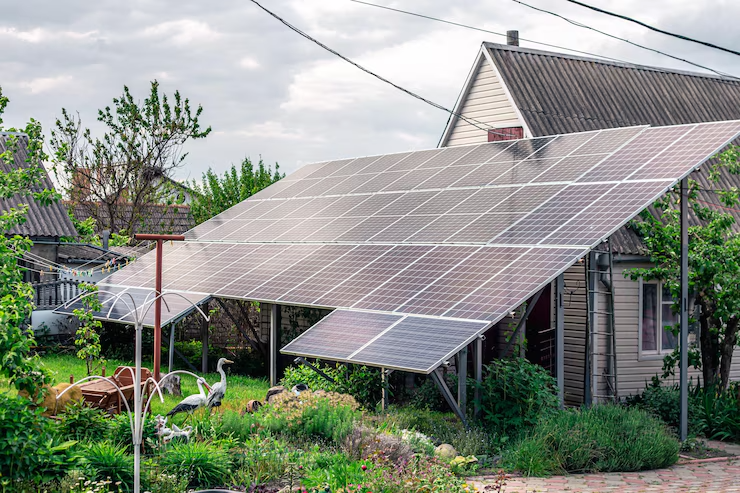
- Solar panels — The "face" of your system—usually installed on your roof or mounted in your yard. These capture sunlight and start the energy conversion process.
- Inverter — Converts DC from your panels into AC your house can use. Types: string inverters (centralized, often lower cost) or microinverters (panel-level, helpful in partial shade).
- Battery storage (optional) — For backup during blackouts or weak net-metering markets. Popular options include the Tesla Powerwall and Enphase IQ Battery.
- Mounting/racking — Secures panels to your roof or ground; engineered for wind, rain, and long-term loads.
- Monitoring — App or web dashboard for production, alerts, and performance tracking.
How Solar Saves You Money
- Lower utility bills — Generation offsets what you would buy from the utility.
- Net metering — Where available, credits for exported power can offset nighttime or cloudy-day usage.
- Tax credits & incentives — The federal solar tax credit (ITC) can cover a significant share of system cost; many states add rebates or exemptions.
Over time, the savings add up—many homeowners see a return on their solar investment in 6–10 years, with systems lasting 25+ years.
Is My Home Right for Solar?
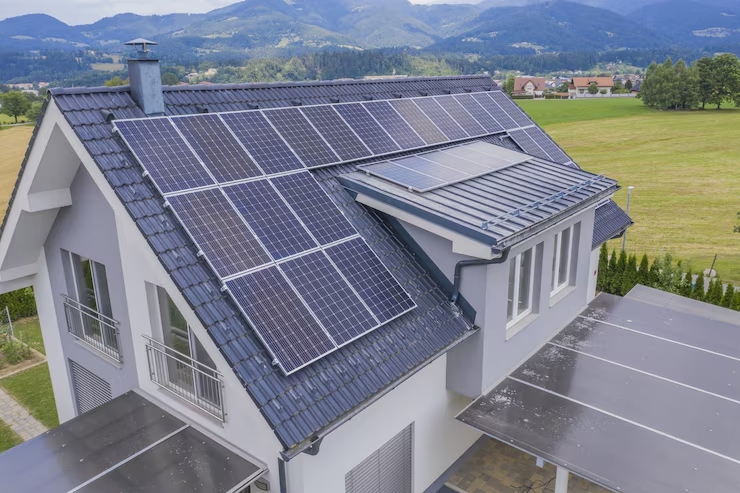
Before jumping into solar, it's wise to ask: Is my home a good fit? While solar works for many properties, a few key factors can greatly impact performance and savings.
1. Roof orientation and sun exposure
- South-facing roofs get the most sunlight in the U.S., but east and west can still work.
- Watch for shade from trees, chimneys, or nearby buildings, which can lower panel output.
2. Roof condition and space
- Your roof should be in good shape—replacing it after installing panels is costly.
- You'll need unobstructed space, typically 300–500 sq. ft. for an average system.
3. Your energy usage
- The more electricity you use, the more you can save with solar.
- High monthly utility bills often make solar more financially worthwhile.
4. Local climate
- Solar works in all climates—but sunnier regions yield faster returns.
- Even cloudy or snowy areas can benefit, thanks to improved panel efficiency.
5. Local incentives and net metering
- Incentives vary by state and utility—rebates, tax credits, or net metering can shorten payback.
- A strong local policy can significantly reduce your payback time.
6. HOA or permit restrictions
- Some HOAs or municipalities have rules around panel placement; a good installer helps navigate them.
Bottom line
If your home gets decent sun, your roof is sound, and your electric bill is over about $75/month, you're likely a strong candidate. A local installer can assess your home's specific potential.
Is solar worth it in 2025?+
What if my roof doesn't face south?+
How Much Do Solar Panels Cost in 2025?
One of the biggest questions homeowners have is simple: "How much will solar actually cost me?" The good news? Prices have dropped significantly in the past decade—and solar is more affordable than ever.
Here's what you need to know about solar panel pricing in 2025, broken down without the fluff.
Average cost of a solar system (before incentives)
- $2.50–$3.50 per watt (installed average in 2025)
- For a typical 6 kW system: roughly $15,000–$21,000 total before incentives
Note: Costs vary by location, installer, panel brand, and roof type.
After the 30% federal tax credit
- Apply the 30% Investment Tax Credit (ITC)—often bringing installed cost to roughly $10,500–$14,700 for that 6 kW example, before other local incentives.
Some states and utilities offer additional rebates, which can reduce costs even further.
Factors that affect your total cost
- System size — Larger homes need more panels; cost per watt may improve slightly with scale.
- Roof complexity — Steep, shaded, or multi-surface roofs can increase labor and mounting costs.
- Panel quality — Premium panels (e.g. SunPower or REC) are more efficient but pricier.
- Battery storage — Adding a battery can add roughly $8,000–$12,000 or more, depending on size and equipment.
- Permits & grid connection — Often $500–$2,000 depending on your city or utility.
What about monthly payments?
Many homeowners choose solar loans, which may offer $0 upfront and monthly payments equal to or lower than their current electric bill. After the loan is paid off (often 5–12 years), your electricity from solar is largely "free" for the remainder of the system's life.
Bottom line
In 2025, a typical homeowner might pay around $11,000–$15,000 after incentives for a residential system—with payback in 6–10 years and decades of savings afterward. It's one of the few home upgrades that pays for itself over time.
Do solar panels work on cloudy or snowy days?+
How long do solar panels last?+
Buying vs. Leasing Solar Panels: Which Option Saves You More?
If you're ready to go solar, one of the first decisions you'll face is how to pay for your system. Should you buy the panels outright, finance them with a loan, or lease them from a provider? The right choice depends on your financial goals—and how much long-term savings you're looking for.
Buying solar panels—either with cash or a solar loan—means you own the system. This is often the most cost-effective path over time. Although the upfront cost can be significant (often roughly $10,000–$20,000 after incentives depending on size), owning your system lets you claim the 30% federal tax credit, capture state or utility rebates where available, and increase resale value when the system is owned. Once the system is paid off (often in 6–10 years), you can produce very low-cost electricity for the rest of its 25+ year lifespan.
Leasing a solar system means a third party owns the equipment and you pay a fixed monthly fee for the power it generates—often with little to no money upfront. However, leases may include annual rate escalators, and because you don't own the system, you won't qualify for the tax credit or most incentives in the same way an owner would.
Leasing might reduce your bill modestly each month, but buying can save tens of thousands over the life of the system. Selling a home with a lease can require transferring the lease or a buyout—plan ahead with your installer and lender.
In short: if you can invest upfront or qualify for a solar loan, buying your panels will almost always yield more long-term value. Leasing can still make sense if you want savings without ownership—but the trade-off is usually reduced financial benefit over time.
The Top 7 Myths About Solar Panels—Debunked
Solar energy has come a long way, but outdated ideas linger. Here are the most common myths about solar panels—and the truth behind them.
Myth 1: Solar panels only work in hot, sunny climates
Truth: Solar works in many climates—even cloudy or cold ones. Cooler temperatures can sometimes help efficiency. If your home gets decent sunlight overall, solar can still make sense.
Myth 2: Solar is too expensive
Truth: Costs have dropped sharply over the last decade; incentives and financing options make solar more accessible than ever.
Myth 3: Solar panels damage your roof
Truth: Professional installs use mounting systems designed for your roof type, with inspections to ensure the structure is ready.
Myth 4: You won't have power at night
Truth: Panels don't produce at night, but grid-tied homes draw from the grid—or from batteries if you have storage. Net metering can bank daytime credits for nighttime use.
Myth 5: Solar panels require constant maintenance
Truth: Systems are low-maintenance; occasional cleaning or inspections are usually enough.
Myth 6: Going solar means going off-grid
Truth: Most homes are grid-tied—connected to the utility for reliability while exporting excess production when available.
Myth 7: Solar will hurt my home's resale value
Truth: Studies show solar can increase home value, especially when the system is owned (not leased). Buyers like lower bills and predictable energy costs.
Final thought
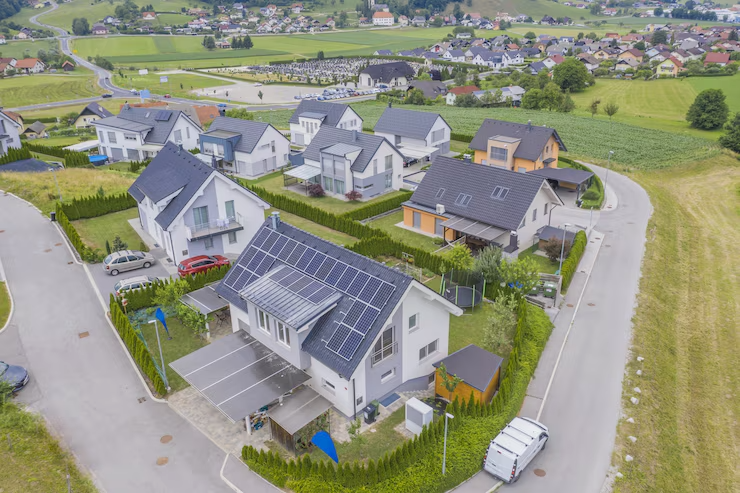
Solar isn't a futuristic gamble—it's a proven technology already powering millions of homes. Don't let myths hold you back from evaluating a cleaner, smarter energy choice.
Can solar really eliminate my electric bill?+
What are my payment options for going solar?+
Grid-Tied vs. Off-Grid vs. Hybrid Systems: What's the Best Fit for You?
Choosing the right type of system is as important as choosing the right panels. Here are the three main types of solar setups—grid-tied, off-grid, and hybrid—so you can decide what fits your goals, lifestyle, and location.
Grid-tied solar systems
Definition: Your panels connect to the utility grid. During the day, solar powers your home; excess energy is often exported for net metering credits. At night or on cloudy days, you draw from the grid.
Pros: lower upfront cost (no battery required), net metering eligibility where offered, reliable power day or night, simpler maintenance and permits.
Cons: no backup during outages unless you add storage; subject to utility rate and policy changes.
Best for: urban and suburban homeowners with stable grid access and favorable net metering.
Off-grid solar systems
Definition: Fully disconnected from the utility; you rely on solar plus battery storage (and sometimes generators) for 100% of energy needs.
Pros: energy independence; no utility bill; great for remote properties.
Cons: higher upfront cost; careful energy management; risk of depleted batteries during long poor-weather stretches.
Best for: cabins, rural homes, or anyone prioritizing independence from the utility.
Hybrid systems (grid-tied with battery backup)
Definition: Combines grid-tied solar with battery backup for outages and peak shifting—still grid-connected when you want it.
Pros: backup during blackouts; can reduce grid dependence; can save more under time-of-use rates.
Cons: higher upfront cost than pure grid-tied; batteries typically need replacement every 10–15 years; some programs limit how you can use stored energy.
Best for: homeowners who want resilience plus long-term savings—especially where outages or time-of-use pricing are common.
So, which is right for you?
- Want the most affordable setup with reliable access to power? → Grid-tied
- Need total independence in a remote location? → Off-grid
- Want resilience and savings with blackout protection? → Hybrid
A qualified solar installer can help you evaluate options and design a system that meets your needs today and into the future.
What happens if I move after installing solar?+
Do I need a battery with my solar system?+
What incentives are available for solar in my state?+
How to Choose a Trustworthy Solar Installer
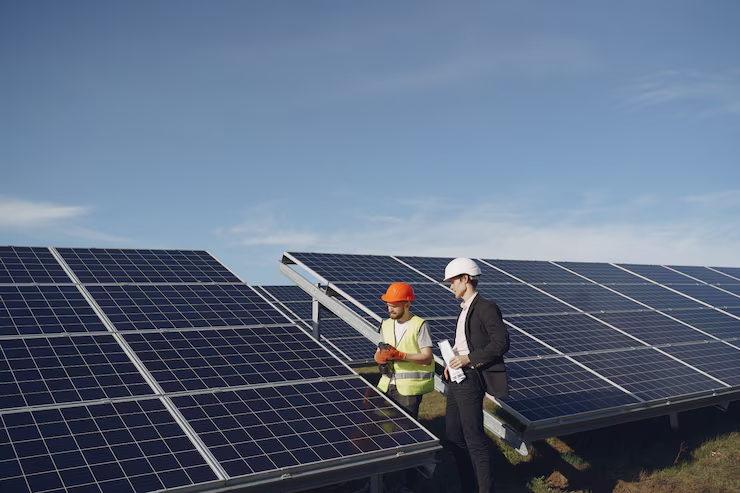
Choosing the right solar installer is crucial to ensuring your system is installed correctly and performs as expected. Empower yourself with these 9 key questions to ask before making a decision:
- Are you licensed and insured?
- How many solar installations have you completed?
- Do you use subcontractors for installation?
- What warranties do you offer on labor, equipment, and performance?
- Which panel brands and inverters do you install?
- How long do you expect the system to last, and what maintenance is required?
- What is the expected timeline for installation?
- Do you handle permits, paperwork, and utility coordination?
- Can you provide references or reviews from recent installations?
These questions help you evaluate potential installers, ensuring they are experienced, reliable, and capable of providing long-term support for your solar system.
How do I find a good solar installer?+
Ready to go solar?
Connect with trusted local solar pros or get a personalized cost estimate with our calculator.