
Call for a Free Quote +1-833-467-2554
Home Water Treatment
What Is a Water Treatment System?
A water treatment system is designed to enhance the safety, taste, and overall quality of the water in your home. These systems tackle common issues like hard water, unwanted chemicals, bacteria, sediment, and unpleasant odors. Whether your water comes from a municipal supply or a private well, a treatment system helps ensure every drop is clean and safe for daily use.
Beyond improving water quality, these systems help protect your plumbing, boost the efficiency and lifespan of household appliances, and contribute to a more comfortable and healthier home environment.
How Does a Water Treatment System Work?
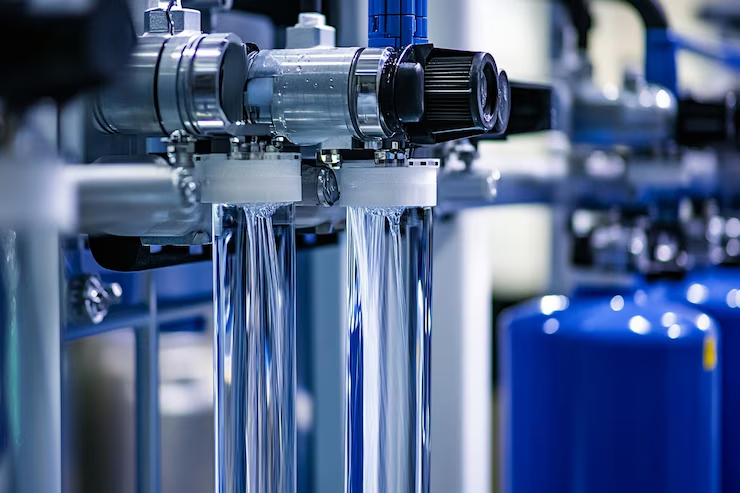
Water treatment systems function by targeting and removing various impurities through multiple filtration and purification stages. The process often begins with basic filtration, which removes larger particles like sediment and rust. Activated carbon filters then absorb chemicals, chlorine, and other substances that affect taste and odor.
More advanced systems, such as reverse osmosis, push water through a fine membrane that traps even the smallest contaminants. UV purification systems take a different approach by using ultraviolet light to neutralize bacteria and viruses without adding chemicals.
By combining these different methods, water treatment systems ensure your household water is cleaner, safer, and more suitable for everyday use.
How do I know which water treatment system is right for me?+
Types of Water Treatment Systems
Not all water treatment systems work the same way—or solve the same problems. Choosing the right system starts with understanding the different technologies available and what each one is designed to address. Here's a breakdown of the most common types of home water treatment systems:
Whole-House Filtration Systems
Installed at the main water line, these systems treat all water entering your home, addressing issues like sediment, chlorine, and other common contaminants. They provide comprehensive protection for every faucet, shower, and appliance, making them ideal for households with widespread water quality concerns.
Under-Sink Filters
These are installed beneath the kitchen sink to provide filtered water for cooking and drinking, targeting specific contaminants like lead, chlorine, and volatile organic compounds. They are compact, effective, and a popular choice for homeowners who want better water quality without a whole-house solution.
Countertop Filters
Portable and easy to install, these units sit on the counter and connect directly to the faucet, offering convenient filtration without the need for plumbing modifications. They're a great option for renters or anyone looking for a low-commitment way to improve drinking water quality.
Faucet-Mounted Filters
Attached directly to the faucet, these filters are cost-effective solutions for improving water taste and quality. While they don't offer the same level of filtration as under-sink or reverse osmosis systems, they're affordable and easy to swap out when needed.
Reverse Osmosis Systems
Utilizing a multi-stage filtration process, these systems remove a wide range of contaminants, including heavy metals and dissolved solids. They are among the most thorough water treatment options available, making them ideal for households with serious water quality issues or health-sensitive residents.
Water Softeners
Designed to address hard water issues by removing minerals like calcium and magnesium, protecting plumbing and appliances from scale buildup. Water softeners don't remove chemical contaminants, but they significantly improve water feel, soap performance, and appliance longevity.
How often do water filters need to be replaced?+
Benefits of Water Treatment Systems
Investing in a home water treatment system offers a wide range of practical and health-related advantages. Whether you're looking to protect your family's well-being, extend the life of your appliances, or simply enjoy better-tasting water, the benefits are clear and immediate:
Improved Water Quality
Removal of contaminants leads to better-tasting and safer water for drinking, cooking, and bathing. You'll notice the difference in flavor, clarity, and even how your skin and hair feel after a shower.
Health Protection
Reducing exposure to harmful substances like lead, chlorine, and bacteria helps protect your family's long-term health. This is especially important for young children, elderly residents, and anyone with a compromised immune system.
Appliance Longevity
Preventing mineral buildup extends the life of household appliances like dishwashers, washing machines, and water heaters. Over time, this can save you hundreds or even thousands of dollars in repair and replacement costs.
Cost Savings
Decreasing reliance on bottled water and reducing plumbing repairs translates to real savings. A quality water treatment system often pays for itself through lower grocery bills, fewer service calls, and longer-lasting fixtures.
Can I install a water treatment system myself, or should I hire a professional?+
Do water softeners remove contaminants?+
Can water treatment systems remove bacteria and viruses?+
Considerations When Choosing a Water Treatment System
Selecting the right water treatment system involves more than just picking the most advanced model—it requires a thoughtful evaluation of your home's specific needs and water conditions. Here are the key factors to keep in mind before making a decision:
Water Quality Testing
Before deciding on a system, it's essential to understand what you're treating. Water quality testing can reveal the presence of contaminants like lead, bacteria, or high mineral content, guiding you toward the most effective solution.
Household Needs
The size of your household and your daily water consumption play a significant role in determining the type and capacity of the system you need. A large family with high usage will require a more robust solution than a single individual.
Maintenance Requirements
Different systems come with varying levels of upkeep. For instance, reverse osmosis systems require periodic filter and membrane changes, while whole-house filters may need less frequent attention. Make sure you're comfortable with the ongoing maintenance before committing.
Budget
Your budget will influence both the type of system you choose and the features it includes. While some systems have a higher upfront cost, they may offer lower long-term maintenance expenses. Factor in installation, filter replacements, and potential repairs over the system's lifespan.
By taking these factors into account, you can select a water treatment system that effectively improves your home's water quality while fitting your lifestyle and budget.
How do I maintain my water treatment system?+
Are water treatment systems necessary for well water?+
Can water treatment systems improve health?+
How to Select the Right Water Treatment Company
Finding a trustworthy water treatment company is crucial to getting reliable service, a properly installed system, and long-term satisfaction. Here are some important tips to guide your decision:
Request Multiple Quotes
Don't go with the first company you find. Contact several providers to compare pricing, system options, and the scope of services offered. This gives you a better understanding of the market and helps ensure you're getting fair value.
Examine Estimates Carefully
Make sure each quote is clear and includes a detailed breakdown of costs—such as equipment, installation, labor, and any extra fees. Avoid vague estimates that leave room for unexpected charges.
Research the Company's Track Record
Learn about the company's background and experience, especially in handling water issues similar to yours. Read online reviews and ask for references to gauge their reliability and customer satisfaction.
Confirm Licensing and Insurance
Ensure the company is licensed to operate in your area and has up-to-date liability and workers' compensation insurance. This not only protects you but also indicates a level of professionalism and accountability.
Look for Certifications and Expertise
Choose companies that hold certifications from reputable organizations such as the Water Quality Association (WQA) or NSF International. These credentials demonstrate a commitment to industry standards and ongoing education.
Ask About Warranties and Ongoing Service
Reputable companies offer warranties on both the equipment and the installation. It's also important to understand what kind of maintenance and support they provide after the system is in place.
Be Cautious with Payment Terms
Avoid companies that ask for large upfront payments before any work begins. Most trustworthy providers offer reasonable payment schedules tied to project milestones.
Ready to Improve Your Home's Water Quality?
Connect with trusted local water treatment professionals and find the right system for your home.